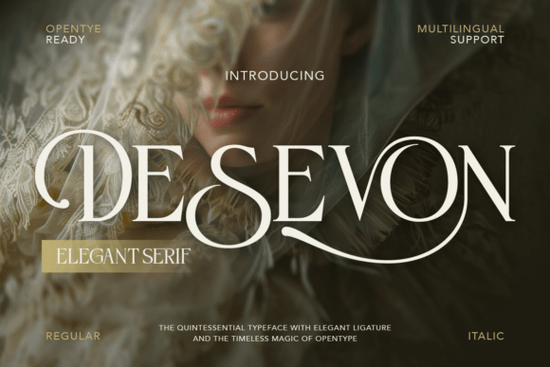
If you're looking for a serif font that feels both timeless and quietly modern especially for luxury branding, wedding stationery, or high-end packaging the Desevon Font is worth your attention. It’s not flashy or experimental, but thoughtfully crafted: elegant curves, clean contrast between thick and thin strokes, and subtle details like ligatures and stylistic alternates that add quiet distinction to headlines or short text blocks.
What kind of projects does Desevon work best for?
Desevon shines where tone and texture matter more than sheer readability at small sizes. Think wedding invitations with hand-lettered warmth, skincare product labels that whisper “artisanal,” or fashion editorial layouts where typography carries as much weight as the imagery. It’s also well-suited for Pinterest graphics and social media posts aimed at design-savvy audiences especially when used sparingly in headlines or quotes.
Because it includes full uppercase and lowercase sets, numbers, punctuation, and multilingual support (including Latin-based languages), it’s practical enough for real-world use not just mood boards. The included Italic version isn’t just slanted; it’s redrawn with its own rhythm and swashes, so it pairs naturally with the Regular rather than feeling like an afterthought.
How does Desevon compare to other refined serif fonts?
Unlike some high-contrast serifs that can feel stiff or overly formal, Desevon balances structure with softness. Its letterforms have gentle modulation no harsh edges and the optional swashes flow without overwhelming the word shape. If you’ve used Luxena Font, you’ll notice Desevon has a slightly lighter overall presence and more delicate terminals. Luxena leans into bold confidence; Desevon leans into quiet refinement.
It’s also more versatile than purely decorative script fonts you can use it for logos and body text in print layouts (at 14pt+), whereas many display serifs fall apart below 20pt. And unlike free serif fonts that lack OpenType features, Desevon includes ligatures and alternates you can access directly in apps like Adobe Illustrator or Affinity Designer no manual tweaking needed.
Is Desevon beginner-friendly?
Yes if you’re comfortable installing fonts and using basic OpenType features. You don’t need advanced typography knowledge to get good results. Start with the Regular weight for headings and the Italic for pull quotes or accent lines. Enable standard ligatures in your software settings (usually under “OpenType” or “Character” panels), and try swapping in alternates for letters like a, g, or y to see how they change the rhythm of a word.
The included Desevon Characters Map PDF helps you spot which glyphs are available and where to find them handy if you’re new to accessing alternates. And since it comes in both OTF and TTF formats, it works across Windows, macOS, and even some web-based tools like Canva (when uploaded as a custom font).
Who typically uses Desevon?
- Print-on-demand sellers who design greeting cards, wall art, or premium notebooks especially those targeting bridal or luxury niches.
- Small business owners launching a skincare line, boutique clothing brand, or artisanal food product and want cohesive, ownable typography.
- Crafters making personalized wedding suites or heirloom-style keepsakes where typography adds emotional resonance.
- Designers building brand identities for clients who value craftsmanship over trends and want type that won’t look dated in three years.
One thing to keep in mind: Desevon isn’t meant for long paragraphs on screens or dense data tables. It’s a voice, not a workhorse. Use it where you want readers to pause even briefly to absorb tone and intention.
Where can you use Desevon right away?
You can download Desevon Font from Creative Fabrica and start using it today in any project covered by their standard commercial license including physical products, digital templates, and client work (just not resale of the font file itself). Pair it with a neutral sans-serif like Inter or Lato for body text, or let it stand alone in minimalist layouts where whitespace does the heavy lifting.
If you’re already exploring serif options, you might also like Luxena Font a bolder, more assertive choice for logotypes or packaging that needs to command shelf space.
Before you install: Check your software’s font menu for both “Desevon Regular” and “Desevon Italic” they’re separate files, not style-linked variants. And if you plan to use swashes, open the Character panel in your design app and browse the Glyphs tab to preview how each alternate behaves in context.
Learn More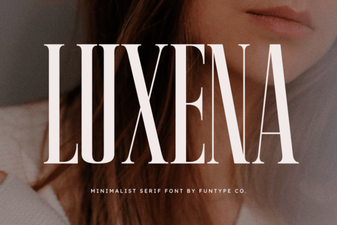 Luxena Font: Creative Typography for Modern Design
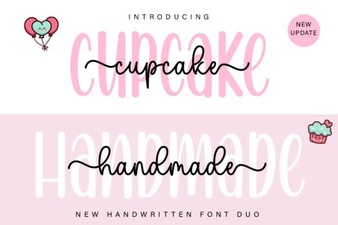 Create Font Combinations with Cupcake Handmade Duo Font
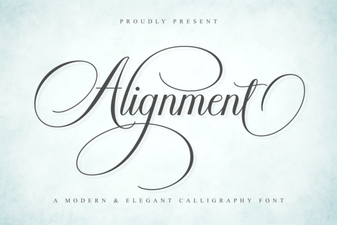 Perfectly Aligned Typography for Your Next Project
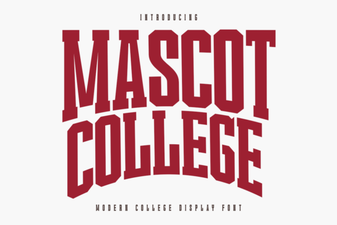 Modern Fonts for College Logo Designs
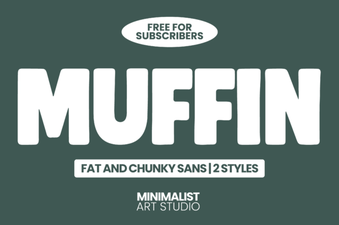 Crafting Design Projects with the Muffin Font
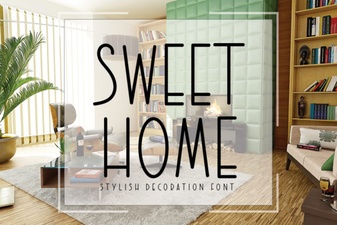 Unlock Nostalgic Charm: Sweet Home Font Inspiration