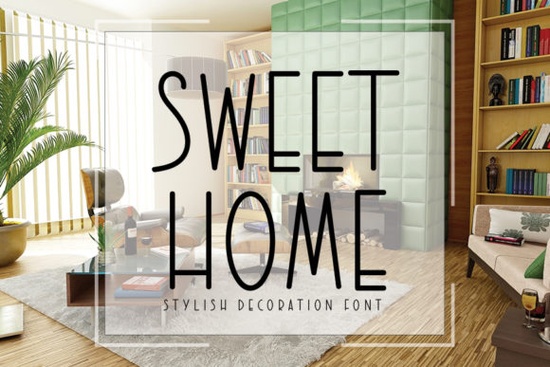
If you're looking for a clean, versatile sans serif font that works just as well on a handmade greeting card as it does on a Shopify product label or a minimalist wedding invitation, Sweet Home Font is worth your attention. It’s not flashy or overly stylized instead, it’s thoughtfully designed to be legible, balanced, and quietly confident. That makes it especially useful if you’re creating for clients, building a small business brand, or designing print-on-demand items where clarity and consistency matter more than ornamentation.
What kind of projects does Sweet Home work well with?
This font shines in real-world design situations where simplicity supports the message not competes with it. Think: food packaging labels, café menus, boutique shop signage, baby shower invitations, or even subtle embroidery digitizing (when converted to outlines). Because it’s a minimal sans serif font, it pairs easily with handwritten scripts, soft watercolor textures, or bold geometric graphics without clashing.
It’s also a smart choice if you’re working across multiple formats say, a logo in vector, social media banners, and printed business cards. You won’t need to swap fonts mid-project to keep things cohesive. And since it includes standard OpenType features like ligatures and alternate characters, you can add quiet personality without overcomplicating your workflow.
How does it compare to other clean sans serifs on Creative Fabrica?
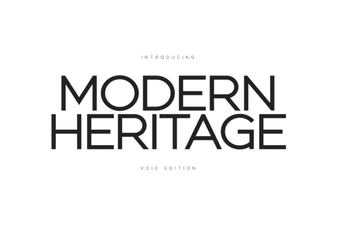
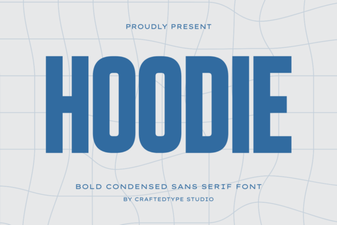
Not all minimal fonts behave the same way at small sizes or on textured paper. Sweet Home was built with readability in mind even at 10 pt on kraft paper or in low-contrast digital mockups. Compare it to Muffin Font, which has a slightly friendlier, rounded warmth, or Hoodie Font, which leans into casual, youthful energy. Modern Heritage brings gentle contrast and vintage-inspired proportions, while Sweet Home stays neutral and adaptable.
That neutrality is actually its strength. You’re not choosing it to make a statement about the font you’re choosing it so your content, product, or brand takes center stage.
Who typically uses Sweet Home Font?
- Print-on-demand sellers who want consistent, professional-looking text across mugs, tote bags, and wall art without needing custom kerning for every layout.
- Small business owners launching a new line of candles, stationery, or skincare especially those aiming for a calm, grounded, or “slow living” aesthetic.
- Crafters and hobbyists cutting vinyl or designing Cricut/Silhouette files; the clean shapes cut cleanly and scale predictably.
- Designers building brand kits for local shops or service-based businesses where typography needs to feel trustworthy but not corporate.
Does it include multilingual support or special characters?
Yes Sweet Home Font covers Latin-based languages (including accented characters used in French, Spanish, German, and Portuguese), plus numerals, punctuation, and basic symbols. It doesn’t include Cyrillic or Arabic glyphs, so if you’re designing for broader international markets, double-check the character map before purchase. You’ll find the full glyph list on the product page always a good idea to preview before downloading.
Where can you see real examples?
The Creative Fabrica product page includes several high-quality mockups like chalkboard signs, linen tea towels, and matte-finish greeting cards that show how Sweet Home looks in context. These aren’t just decorative; they help you imagine how spacing, weight, and x-height behave when printed or embroidered. If you’d like to explore similar options, you might also like Sweet Home Font, Muffin Font, or Hoodie Font.
Before you download: a quick checklist
- ✅ Preview the full character set especially if you need accents or symbols like © or ™
- ✅ Test it at your most common size (e.g., 14 pt for product tags, 24 pt for headers)
- ✅ Try pairing it with one script font and one display font you already own it usually balances both
- ✅ Check licensing: personal use is included, but commercial use (like selling physical goods with the font in the design) is covered under the standard license
If you’ve used Sweet Home Font in a project, try exporting two versions one with default spacing and one with slight manual tracking (+10–20) and compare them side by side on screen and in print. Small tweaks often make the biggest difference.
Get Started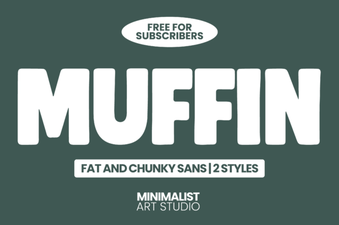 Crafting Design Projects with the Muffin Font
 Modern Heritage Fonts: Styles & Applications for Creators
 Choosing the Perfect Hoodie Font for Your Designs
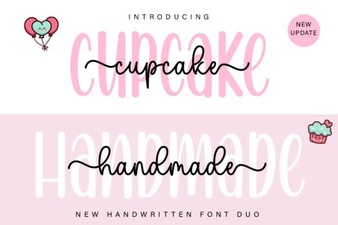 Create Font Combinations with Cupcake Handmade Duo Font
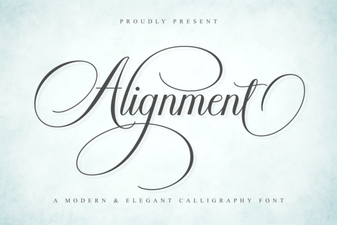 Perfectly Aligned Typography for Your Next Project
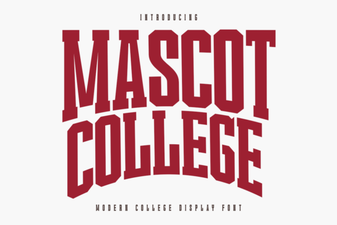 Modern Fonts for College Logo Designs